
When was the last time you had CE about anal glands?
Expression provides an average of 3 weeks of relief in most dogs - especially allergic ones. If your patients keep 'needing' their glands expressed every month - it's time to rethink their plan.
Beyond Expression is a RACE CE-approved course (3.0 hours) for clinicians who want to do more than manage the cycle. Including video instruction on anal sac infusion technique.
Learn More
Your patient's anal glands are trying to tell you something
Dogs with recurrent anal sac disease are frequently dogs with underlying allergies. The anal glands aren't the primary problem — they're a sign of one. And there's a procedure most general practitioners have never been taught that can change outcomes significantly.
As a Board Certified Veterinary Dermatologist®, I've built a clinical framework for these cases that goes beyond expression. (Yes, I treat ears and rears. We all do!)

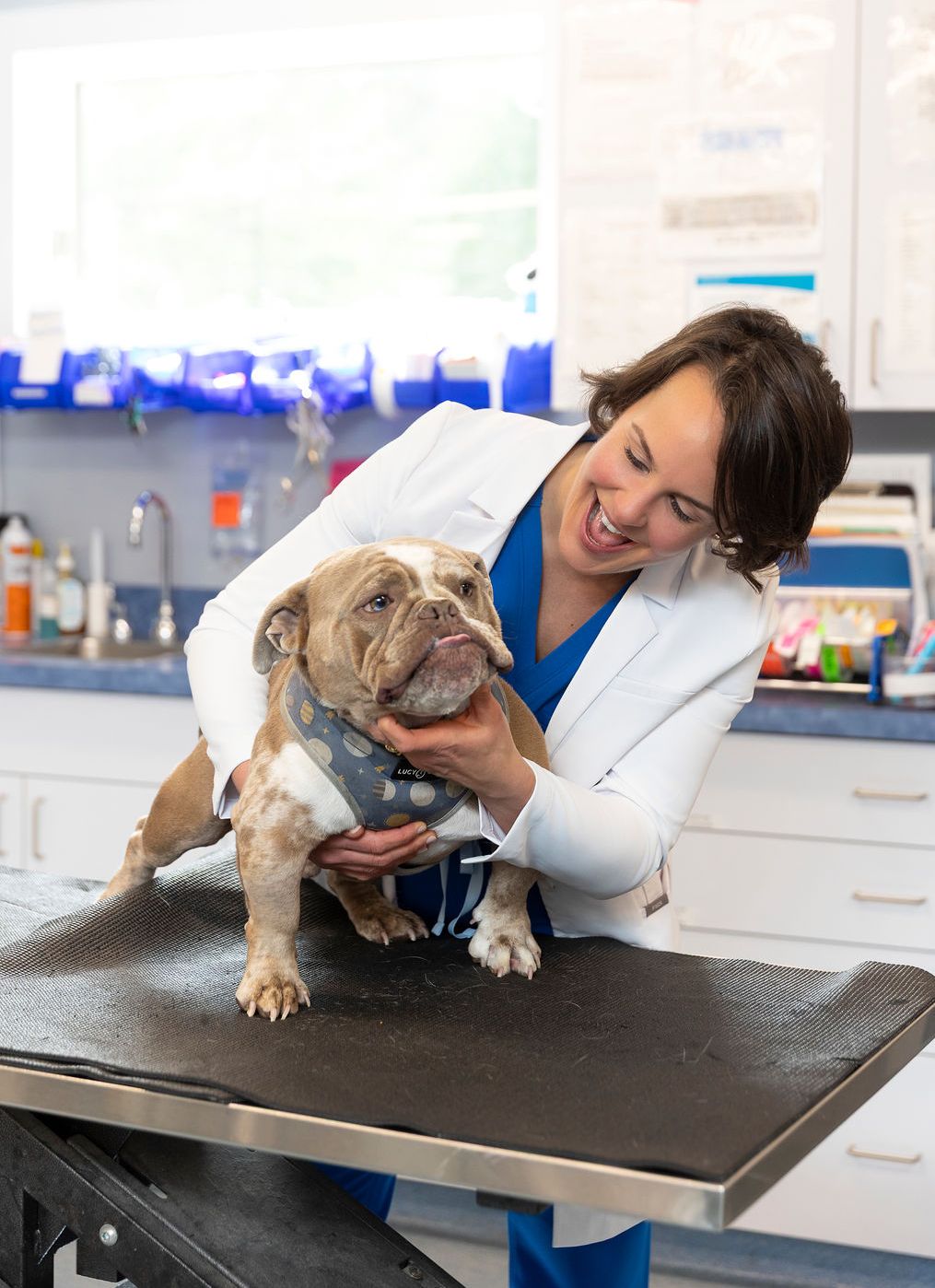
Instead of expression that buys three weeks and nothing more...
Expression is a bridge. Not a destination.
Recurrent anal sac disease often follows the same arc: express, send home, repeat. The cycle continues not because expression is being done wrong — but because it is not solving the actual problem.
In allergic dogs, anal sacculitis is inflammatory. Inflammation drives chronicity.
This course shows you how to handle that.
This dog changed how I see every anal gland case.
Sadie’s case
Sadie is a Vizsla who came to me as a third opinion for chronic anal gland leakage. She had been through every reasonable intervention — expression every few weeks, steroids, elimination diets, fiber, antibiotics. When she walked into my exam room, she was wearing a diaper and actively bleeding from her anal glands. Everyone was miserable. Nothing had helped her.
I took a different approach. Sadie is now more than one year free of symptoms.
There are Sadies in your practice right now.
This course gives you the framework to find them — and change their outcomes.
Beyond Expression is the clinical update most practitioners never got in school. It covers non-neoplastic anal sac disease from the ground up — including the infusion techniques your colleagues are calling the most useful CE they've seen on this topic.
This isn't about doing expression better. It's about knowing when expression is no longer enough


You're here because a dog in your practice keeps coming back with the same problem — and the standard answer isn't cutting it anymore. Maybe you've wondered about infusions and never had anyone show you how. Maybe you've suspected allergies but haven't had a framework to connect the dots. Maybe you are wondering about diets and fiber. Either way, you deserve more than "express and hope."
This course gives you that framework.
A version of this course was rated 4.9/5 by 150+ veterinary professionals at a recent live webinar on this topic 🎉

Beyond Expression:
A Modern Guide to Anal Sac Health
$149 USD
- On-demand video instruction from Dr. Painter, DACVD — including infusion technique demonstration
- 3.0 RACE CE hours — approval #20-1322582
- Clinical protocols, diagnostic frameworks, and medical management for DVMs
- Lifetime access including updates and bonus lessons
- Designed for veterinarians, vet techs, and anyone who wants to know more (and also maybe less 🤣) about anal glands
There is something for everyone to learn
Groomers
You're often the first to notice something is wrong — and the first to get asked what to do about it. Know when expression helps, when it doesn't, and how to have that conversation with owners confidently.
Dog owners
The scooting, leaking, and smell has an explanation — and a better path forward than endless expression cycles. We'll walk you through it in plain language.
Veterinarians
Access the Veterinary Hub for specialist-level clinical content: the allergy-anal sac/gland connection, infusion technique with video, diagnostic workup, and the Inflammation First™ framework for allergic anal sacculitis.
Pet owners shouldn't know their dog has anal glands.
Come learn why I say this whenever someone asks me if they should express their dog's glands — and what it means for every patient you're sending home or to the groomer.
Get Started
"This course has made a significant difference in my grooming practice. I can now better advise pet owners on anal gland health and have more to offer than just recommending expression!"
Morgan
Groomer

“Anal glands used to be one of those frustrating issues I was never sure how to actually deal with. This course gave me the science, structure, and confidence to actually address the root causes—not just the symptoms. I definitely recommend this course.”
Dr. Sarah Hamden
Veterinarian

“I was so tired of the constant scooting and vet visits. This course explained things in a way I could actually understand—and now I feel like I can actually help my dog.”
Lisa K.
Pet Owner
